Designing Services

Role
Service Designer Manager
Organisation
TU Delft Library
Duration
2022 - current
Impact
Academia · Industry · Europe · Asia
Chapter 01
Connecting Organisational Thinking
with User Experience
When I joined TU Delft Library, the organisation already managed an inventory of 110+ services. It was an important governance tool that showed everything the library offered.
Through user research, another picture emerged. Researchers, teachers and students consistently described their experience using only around 15 recognisable services.
User research
Interviews, surveys and contextual research with students, researchers, educators and staff.
COntextual research
Workshops with service owners, department heads and the management team
Foucus
Journey management
Outcome
Library service portfolio
User Journey Framework
Question
How can an organisation move from managing services internally to understanding how people actually experience them?


Chapter 02
Turning the Framework into Change
The framework became a practical way of working. Rather than creating one-off journey maps, it helped teams continuously connect user insights with strategic and operational decisions.
Projects
30+ service
design projects
stakeholders
8 library teams
management team
corporate communication
Foucus
From quick improvements to deep strategic redesigns
Outcome
Better digital and physical experiences, supported by stronger collaboration across teams

Stakeholder insights
Selected Projects
Explore selected service design projects →
Chapter 03
Building a Shared Language for Service Design
Service design gradually became less about individual projects and more about helping people work together. Through facilitation, co-design and workshops, teams developed a shared understanding of services, customer experience and continuous improvement.
Shared understanding
Service portfolio
Journey framework
Shared terminology
Grow Design capacity
4 Service designers
3 external service design agencies
10+ design assistants
Design
Digital services
Physical services
Internal processes
Outcome
Service Design Handbook
Design capability across teams

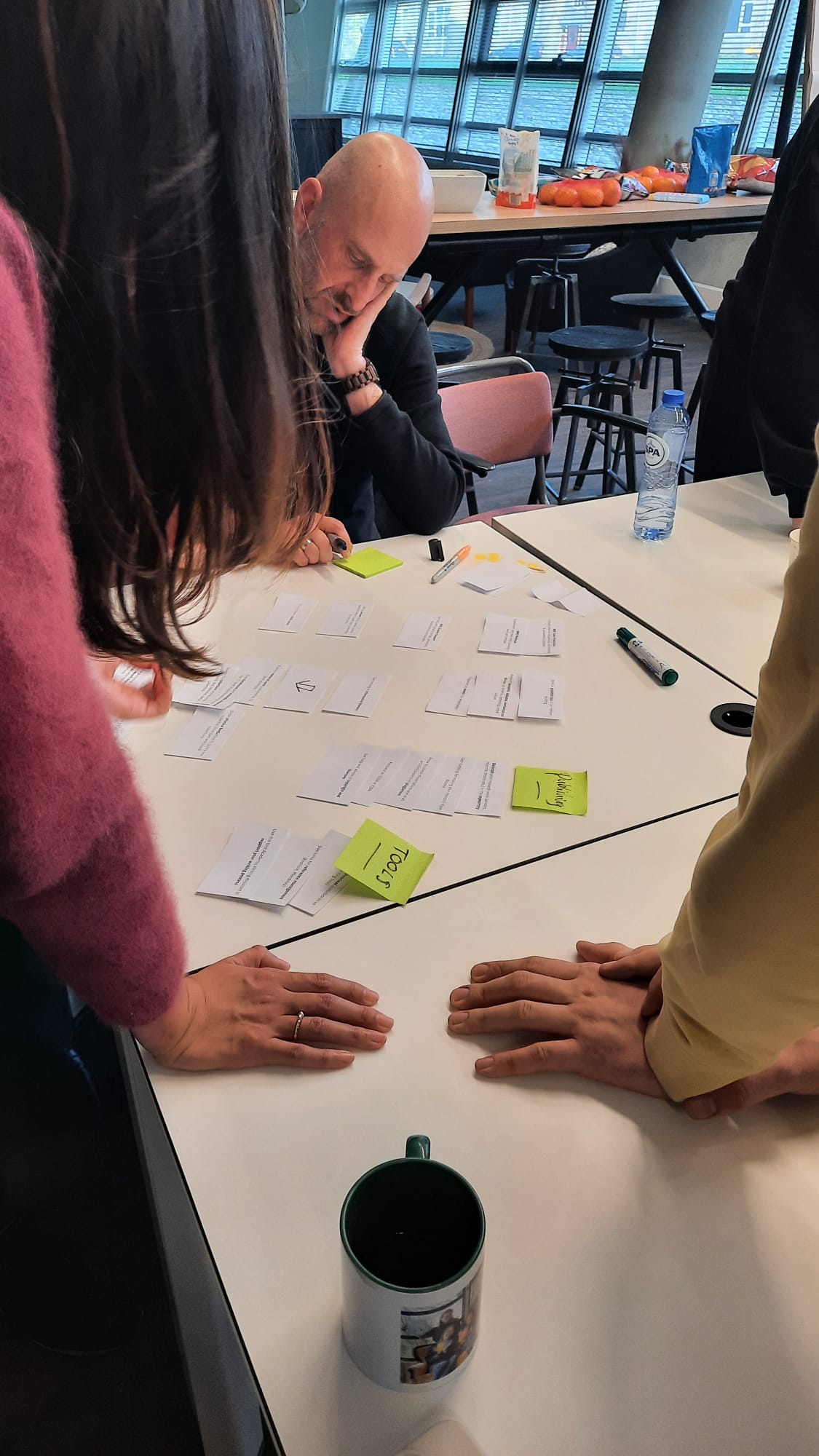


Conversations shifted from ownership towards user experience.
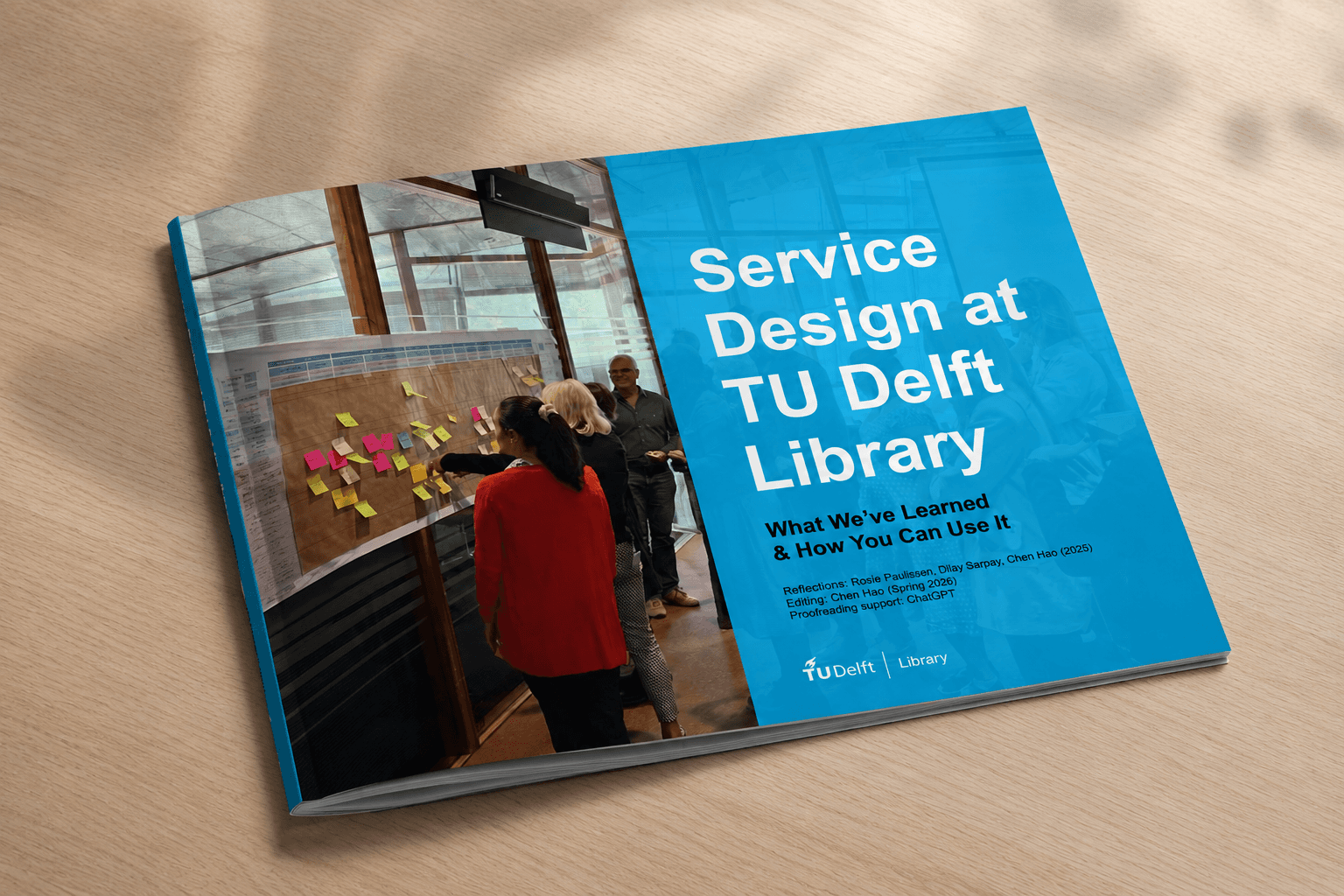
Chapter 04
Design Together
The journey framework informed a wide range of service improvements - from websites and physical spaces to customer journeys, service blueprints and operational processes. Each project addressed a different challenge while contributing to the same organisational vision.


Looking back
I don't think the biggest outcome was a framework or a collection of projects. It was seeing conversations change. People gradually stopped talking about individual services and started discussing how researchers and students actually experienced the library.
That's the kind of service design I enjoy most - not simply improving touchpoints, but helping organisations see the connections between people, services and strategy..